Buyer Methodology.
Stop sending messages.
Start moving buyers.
Twelve mental drivers. Three stages of a decision. One rule for finding where a B2B deal stopped. A field guide for people who would like their pipeline to do something besides look busy.
Buyer
Methodology
12 Mental Drivers That Move B2B Prospects From Attention to Action
SalesDriver / Buyer Movement SystemWe have become exceptionally good at measuring the wrong thing.
A CRM knows the email went out. The sequence knows the follow-up was sent. The manager knows the demo happened. None of that tells you whether the buyer actually moved.
I've spent more than twenty years building and running B2B sales teams, from being handed a list and told to make 100 calls a day to senior business development leadership at Omnicom, and then building SalesDriver. I kept running into the same problem: tremendous activity, expensive software, and deals that stopped for reasons our reports couldn't explain.
Sales training often tells us to polish a pitch, increase the number of touches, or ask for the close differently. Sometimes those things help. But imagine a buyer who has never agreed the problem is costly. A perfectly delivered closing line isn't going to save that deal.
Buyer Methodology changes the question. Instead of asking what the seller did next, it asks what the buyer still needs to believe, understand, feel confident about, or explain internally before deciding.
A stalled deal is a diagnosis, not an invitation to send another “just checking in.”
Consider a promising account that liked the demo, asked for pricing, and then disappeared. The dashboard might say “proposal sent.” It cannot tell you whether your champion has a story they can defend in a meeting with the CFO.
If the real obstacle is Internal Justification, Driver 10, another follow-up email solves nothing. Give the champion a clear business case and evidence they can use without you in the room.
That is the point of the method: identify the unanswered buyer question and change the part of your system responsible for answering it.
“Great demo. We'll circle back.”
- What the CRM says
- Demo complete. Proposal sent. Opportunity has gone quiet.
- The automatic response
- Send the sixth follow-up. Perhaps add a GIF this time.
- The possible first red
- Driver 10: the champion cannot justify the decision to everyone else.
- What to do instead
- Map the buying group. Supply a one-page case, implementation plan, and evidence for their questions.
The 12 questions moving through your buyer's head.
They fall into three tiers: Attention, Engagement, and Commitment. Select any driver to see the buyer's question, what might go wrong, and an appropriate fix. Score a real deal as you go. You can leave uncertain answers unscored.
Attention
DRIVERS 01–03Did they stop, see legitimacy, and realize this concerns them?
Engagement
DRIVERS 04–07Do they see a meaningful problem and imagine a better outcome?
Commitment
DRIVERS 08–12Do they trust the choice, make the case internally, and know how to act?
Fix the first red. Everything after it can wait.
A total score is useful. The earlier failed question is more useful. It tells you where to work before the next proposal, next campaign, or next conversation.
First red: Cost of Inaction.
The buyer sees the problem, but waiting still feels free.
Wrong fix: produce a gorgeous demo, a longer sequence, and a proposal that could hold up a table leg.
Better fix: establish the real cost of leaving the problem alone, using the buyer's own deadlines, economics, or operational consequences.
Once that threshold clears, the next questions become worth answering. The rule is simple. Applying it honestly takes discipline.
The book is a method for building the whole sales system.
The twelve drivers identify where movement broke. The five components tell you what to fix. Copywriting alone isn't a substitute for evidence, timing, or a competent buying experience.
Strategy & buyer understanding
Know who you sell to, the situation they're actually in, and the problem you can credibly solve. Otherwise “personalization” is a name field dressed up as insight.
See LeadsDriver ↗Data & timing
Look for real change: a new leader, hiring, funding, a technology shift, or buyer behavior. That is a reason to start a conversation, not a reason to blast everyone in the CSV.
See MTN Data ↗Message & content
Every email, article, explainer, demo, and proposal should answer a buyer question. Sharper copy is useful only when it serves a real job in the decision.
See SD Labs ↗Trust & confidence assets
Your website, references, case studies, implementation details, and proof should stand up without a salesperson in the room. Buyers check you before they trust you.
Read the field notes ↗Conversion & follow-up
Give champions what they need internally, reduce credible risk, and make the next step obvious. Follow-up should advance the decision, not simply announce that your calendar remains open.
See SD Flow ↗Fifteen chapters. One very practical question.
Where did the buyer stop moving, and what would get them moving again?
The system behind the sale
- 01 Psychology in Modern Business
- 02 The Mind of the Modern Seller
- 03 The Mind of the Modern Buyer
- 04 Data Before Outreach
- 05 The Buyer Movement Map
The twelve mental drivers
- 06 Pattern Interrupt
- 07 First Impression
- 08 Relevance Check
- 09 Problem Recognition & Cost of Inaction
- 10 Curiosity & Value Imagination
- 11 Trust Formation
- 12 Risk Review & Internal Justification
- 13 Decision Trigger & Action
Running the system
- 14 The Buyer Movement Score
- 15 The SalesDriver Buyer Movement System
- + Self-score worksheet
- + Six system checks
- + Sources & recommended next steps
Also covered: multiple people inside one buying decision, finding the right proof for each role, memory and reinforcement, choosing the right channel for a buyer question, and learning from what actually happened.
A methodology is useful. One that your tools can remember is better.
The book can be used with a spreadsheet and honest deal reviews. We built SalesDriver and CORA to make the approach repeatable across data, outreach, CRM, proof, and follow-up.
Signals
MTN Data and LeadsDriver supply fit and timing context.
Company context
CORA's entity graph connects records and prior interactions.
Buyer driver
The 12-driver method gives people a shared vocabulary for gaps.
Right next asset
Content, outreach, proof, and follow-up serve the unresolved question.
Outcome
Record the result and improve the play instead of repeating activity.
Today: the methodology informs SalesDriver content, campaign QA, signal research, and how we think about sales workflows. CORA connects research and organizational context so operators can act on better information.
Where we're taking it: a persistent buyer-movement record for each deal, with evidence, unresolved questions, stakeholder context, and lessons retained across the team. That's a product direction, not a claim that software can read a buyer's mind.
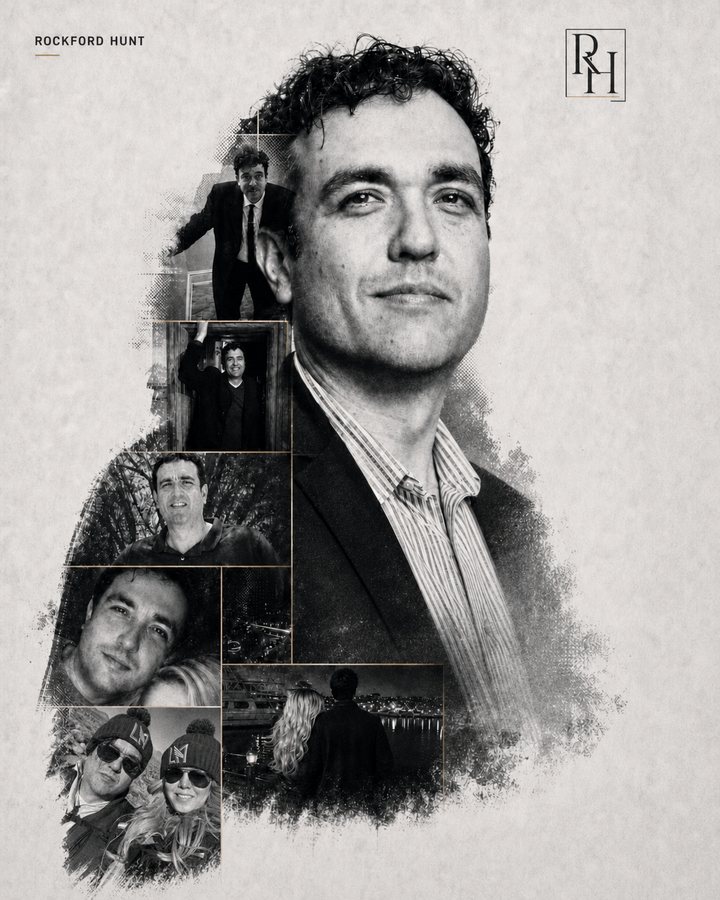
“The buyer does not need another message. They need a seller who understands where they are in the decision, what they need to move forward, and how to make the next step obvious and safe.”
Start with the deal that went quiet.
Run the twelve-driver score. Find the first question the buyer couldn't answer. Then decide what evidence, asset, or conversation would actually help.