An AI company brain is not a search box. Here is what it actually needs.
Most "AI brains" are a document search with a chat window on top. A real one has to know what it believes, how sure it is, and when it was wrong.
Every software company is selling an AI brain right now. Upload your documents, ask it questions, get answers. I have built one of those. It took an afternoon.
Then I spent months building the other kind.
Search is not memory
A document search can tell you what a file says. It cannot tell you which of two files is right, which one is out of date, or whether the thing it just told you was disproved last Tuesday.
That gap matters more than it sounds. A sales team acting on a stale fact does not fail loudly. It fails quietly, one wrong email at a time.
The day our own brain lied to us
Here is the most useful thing that ever happened to CORA. We discovered its memory had no way to retire a wrong fact.
When something changed, the correction was saved as a new fact. The old one stayed at full strength. So when you asked a question, you could get eight different answers about the same system, all sounding confident, with no way to tell which was current. One wrong belief survived for almost a month that way.
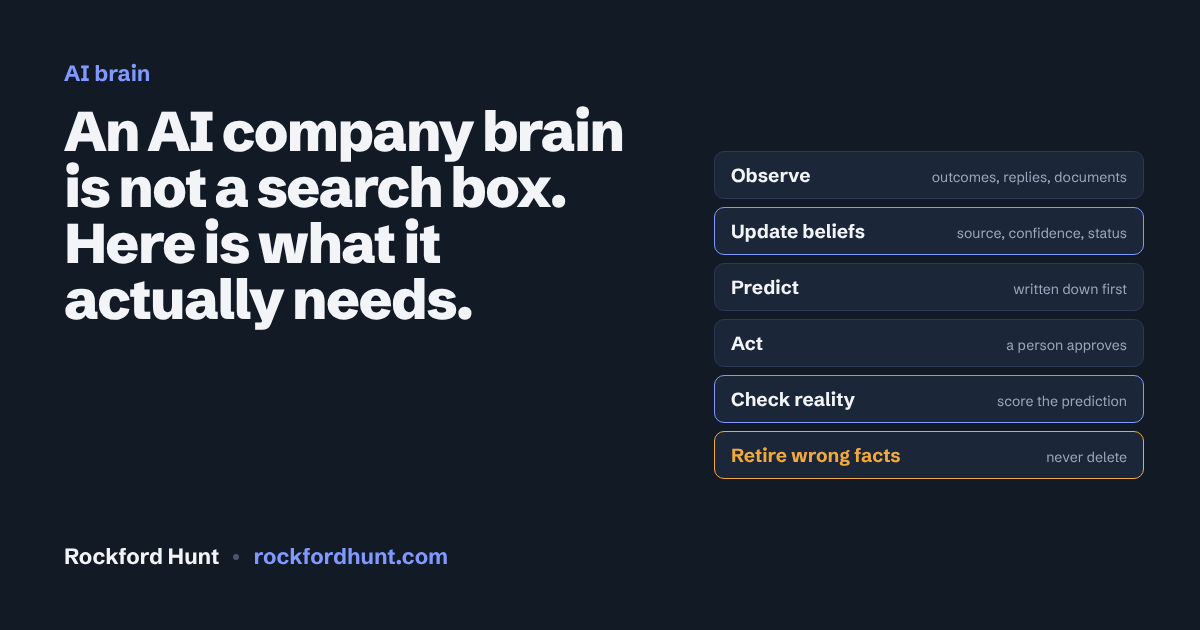
The fix was simple and permanent. Every fact can now be superseded or retracted, never deleted, because the record of an error is useful. And there is a standing rule: when you correct a fact, you retire the old one in the same step.
If your AI brain cannot do that, it is not a brain. It is a pile.
Beliefs, not documents
So the brain stores beliefs. Each one has a source, a confidence, and a status. Confidence is never something a model makes up. It is derived from the evidence, and evidence has a strict pecking order: a verified outcome beats direct evidence, which beats inference, which beats a simulated opinion. Repeating a claim does not make it stronger.
This is how SalesDriver handles its own strategy, too. When we set up our own workspace, we did not know which segments or signals would work. So every guess went in as a belief with an explicit strength, weak, medium or strong, and the status untested. Real outcomes move them. Our opinions do not.
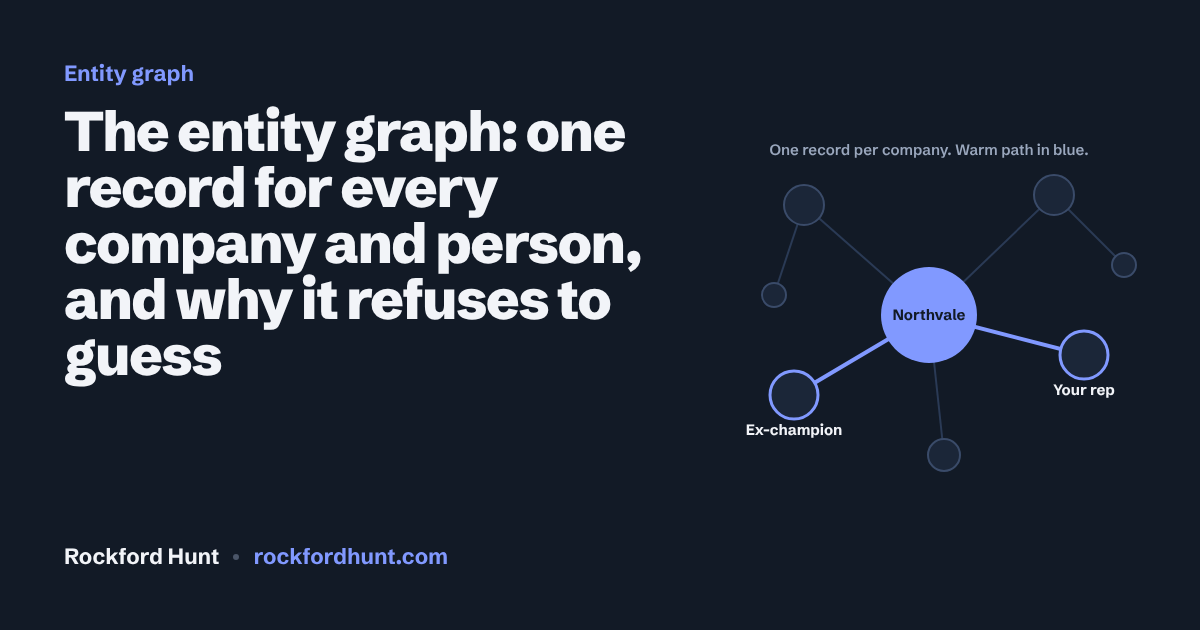
The beliefs are attached to real things: people, companies, deals. That structure is the entity graph, and it is what keeps the brain from confusing two companies with the same name.
A loop, not a library
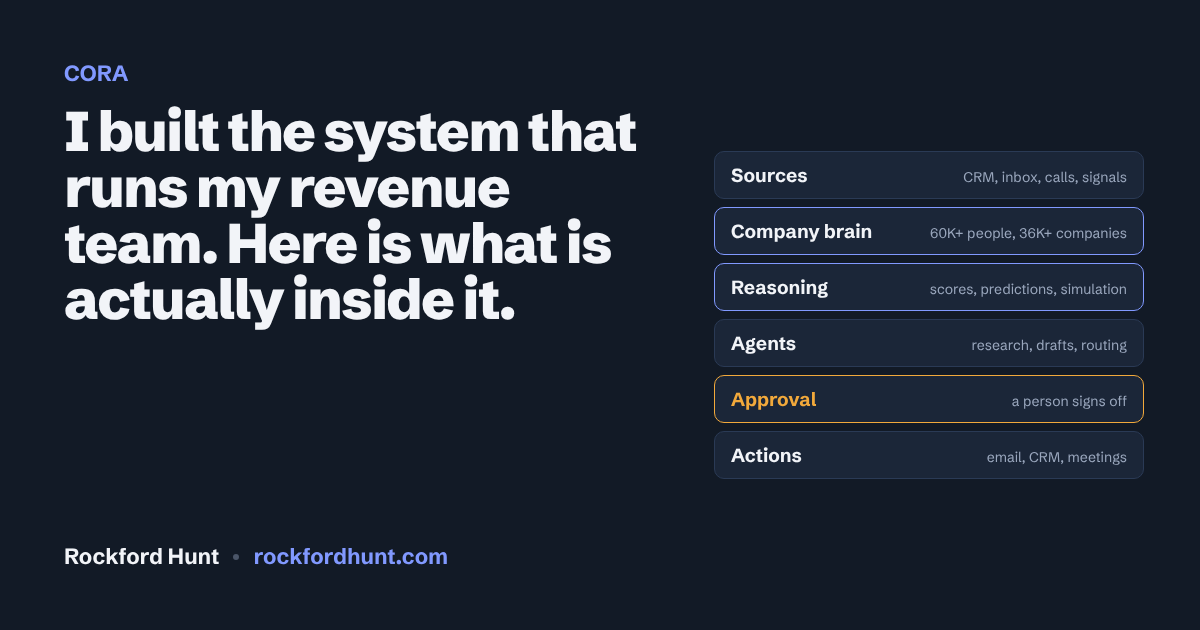
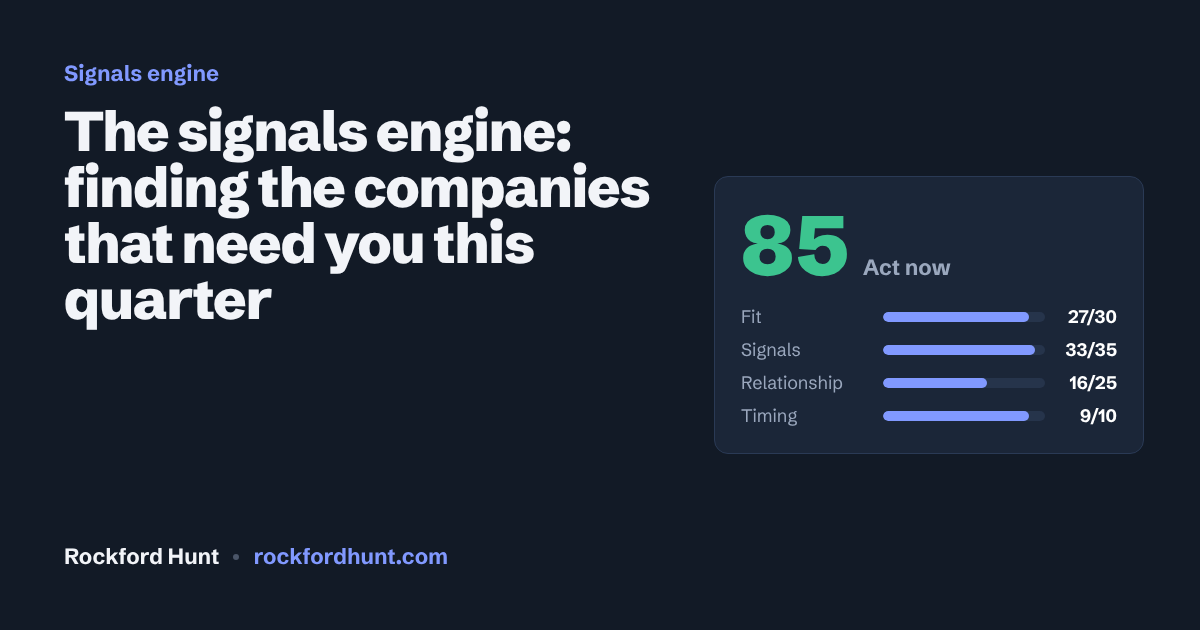
The brain runs one loop: observe, update what it believes, predict, decide, act, then check what actually happened and recalibrate. Campaigns get a prediction written down before they send, and the result scores it. That is how the signals engine learns which signals are real.
A library waits to be asked. A loop gets better on its own.
What a client's brain looks like
For a SalesDriver client, the flow is designed to start with what they already have. They enter their website, or upload their decks and documents. Those get organized into a company brain. From there the system works out who they sell to and drafts the targeting and a landing page for them to approve. Campaigns only start after that approval.
Each client gets their own brain, kept logically separate from everyone else's. Their beliefs never leak into another company's answers.
Keep it honest
The last lesson is the least glamorous. A brain that looks busy is not the same as a brain that works. We once had scheduled agents report thousands of successful runs while producing nothing at all. Now every health check asks whether real output came out, not whether the job ran.
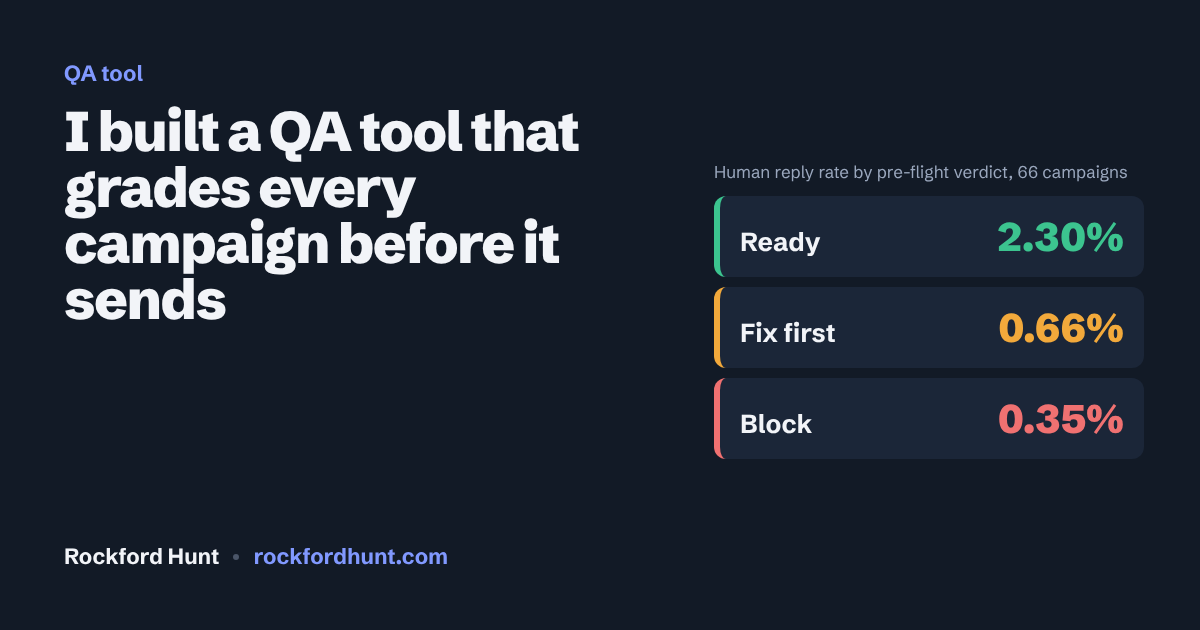
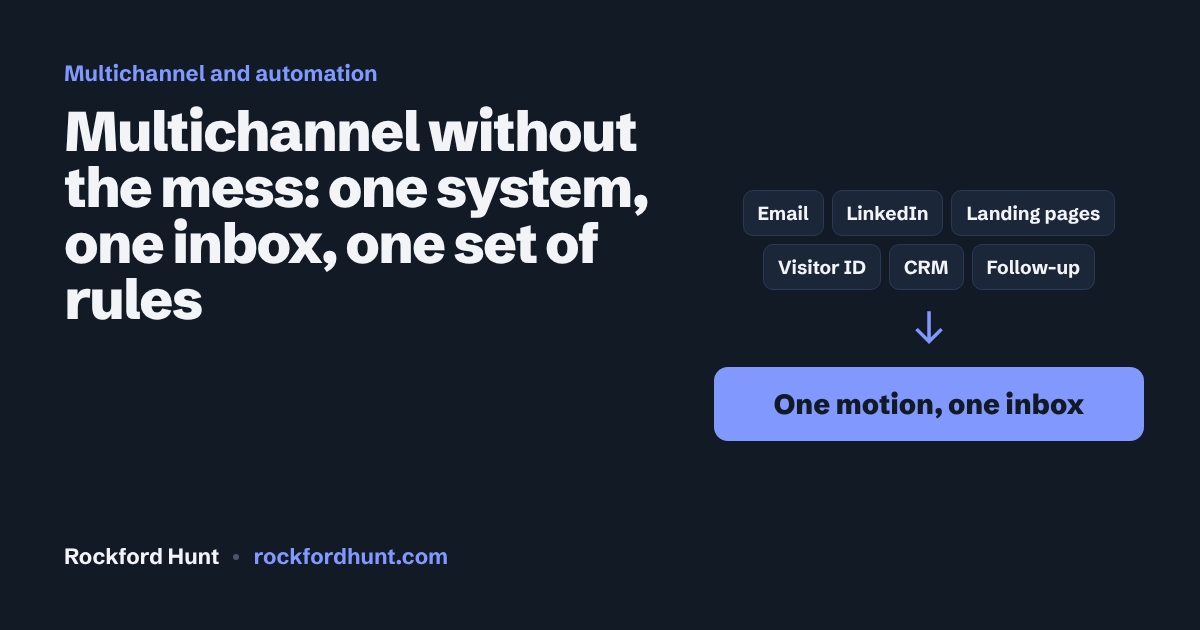
That is the bar I hold any AI system to before a revenue team relies on it: it knows what it believes, it can tell you why, and it admits when it was wrong. The campaign QA tool and the automation layer both sit on top of that discipline, and so does the method in Buyer Methodology.
Questions people ask
What is an AI company brain?
An AI company brain is a system that holds what a business knows about its customers, market and operations as structured beliefs with sources and confidence, and updates them as outcomes come in. It differs from a document search, which only retrieves text.
Why isn't document search enough for a sales team?
Search can tell you what a file says, but not which of two conflicting files is right or whether a fact was disproved. Sales teams acting on stale facts fail quietly, one wrong email at a time.
How should an AI system handle facts that turn out to be wrong?
Retire them. The wrong fact should be marked superseded or retracted, not deleted, and the correction and the retirement should happen in the same step so old versions stop surfacing.
I'm Rockford Hunt. I've spent 20+ years in B2B sales, I founded SalesDriver, and I'm open to CRO and VP of Sales roles.
Contact RockTry the AI labResume