I built the system that runs my revenue team. Here is what is actually inside it.
CORA started as a way to stop losing track of things. It turned into a company brain that keeps score of its own guesses.
There is a very sensible way to add AI to a sales team. Buy a tool, plug it in, see what happens. I believe in that approach completely.
I just did not follow it.
Instead I built CORA. It stands for Conscious Organizational Reasoning Architecture, which is a big name for a simple idea: a sales team should know what it knows, know how sure it is, and find out when it was wrong.
The problem it solves
Every revenue team I have run had the same leak. The CRM said one thing. The inbox said another. The rep's memory said a third. Nobody was lying. The information was just in five places and none of them agreed.
So decisions got made on whichever version someone happened to look at. That is how good accounts go quiet and bad deals stay in the forecast.
A company brain, not a database
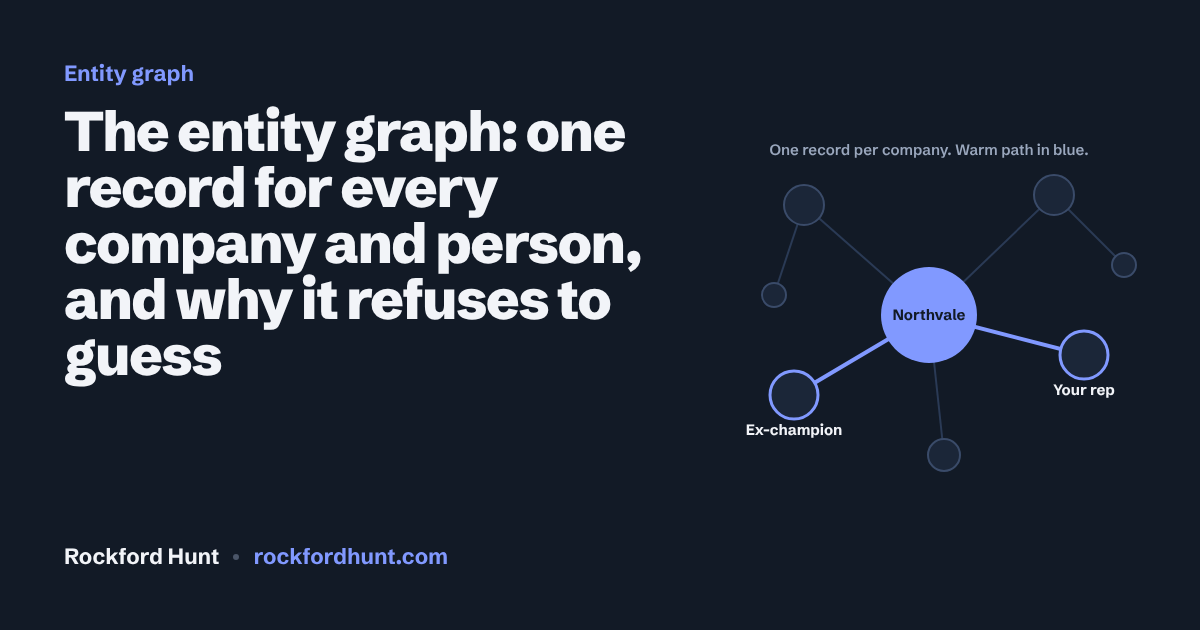
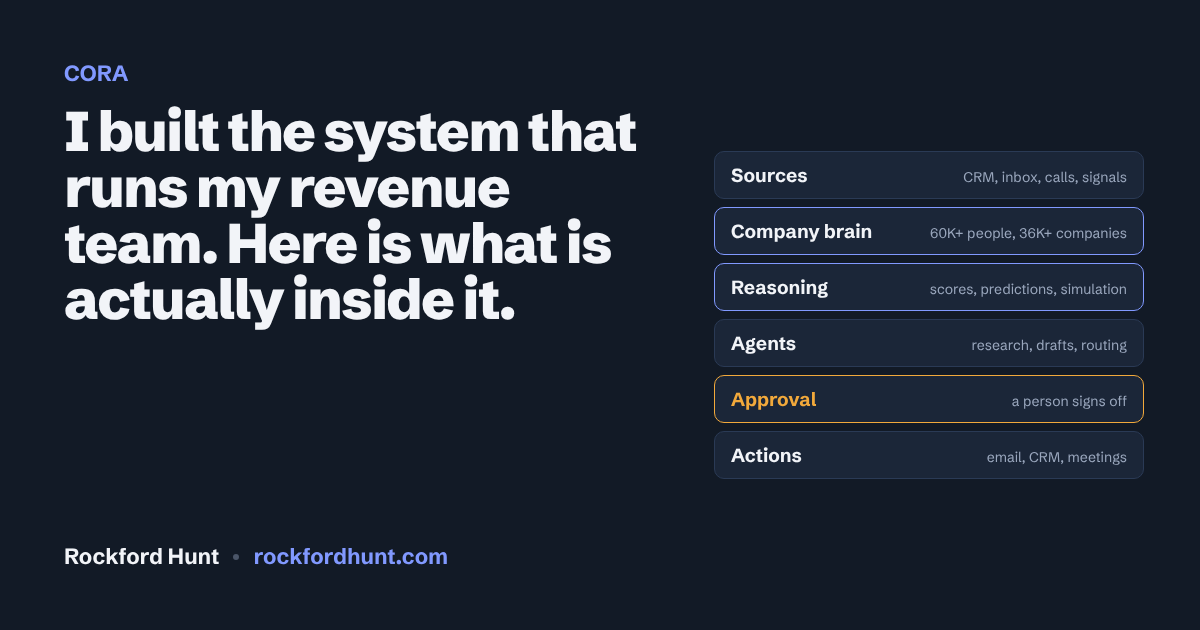
The core of CORA is one entity graph, the foundation of a real AI company brain. Every person and company we touch is resolved into a single record, no matter how many systems mention them. Today that entity graph holds more than 60,000 people and 36,000 companies.
Two design choices matter more than the size.
First, it refuses to guess on identity. When two records might be the same person but the evidence is thin, CORA flags them for review instead of merging them. It has flagged thousands. A wrong merge quietly poisons everything downstream, so it would rather ask.
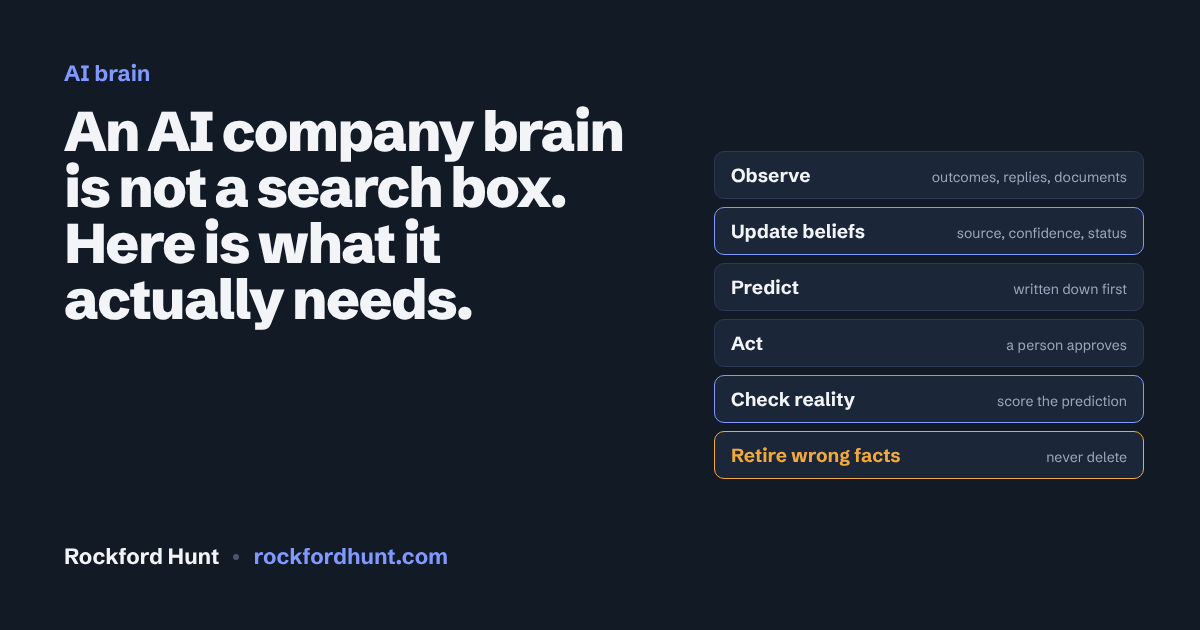
Second, it stores beliefs, not just fields. A job title is not a fact, it is a claim from a source. CORA holds about 247,000 of these typed beliefs. When sources agree, the belief gets confident. When they disagree, the losing values are marked contradicted instead of overwritten. You can always see why it believes something.
It writes down its guesses before it acts
This is the part I am proudest of, and the part most AI sales tools skip.
Before a campaign sends, CORA writes a prediction into a ledger. Expected reply rate, with a range. Then reality shows up and the prediction gets scored, using the same scoring rules weather forecasters use.
That changes the conversation completely. Instead of "the AI says this will work," you get "the system has been this accurate on campaigns like this one." Trust gets earned with a track record, not a demo.
It also runs simulations of what might happen: the funnel, a campaign, a buying committee, pricing. And there is a hard rule: a simulation can never write into what the system believes. Imagination stays separate from evidence.
People approve what buyers see
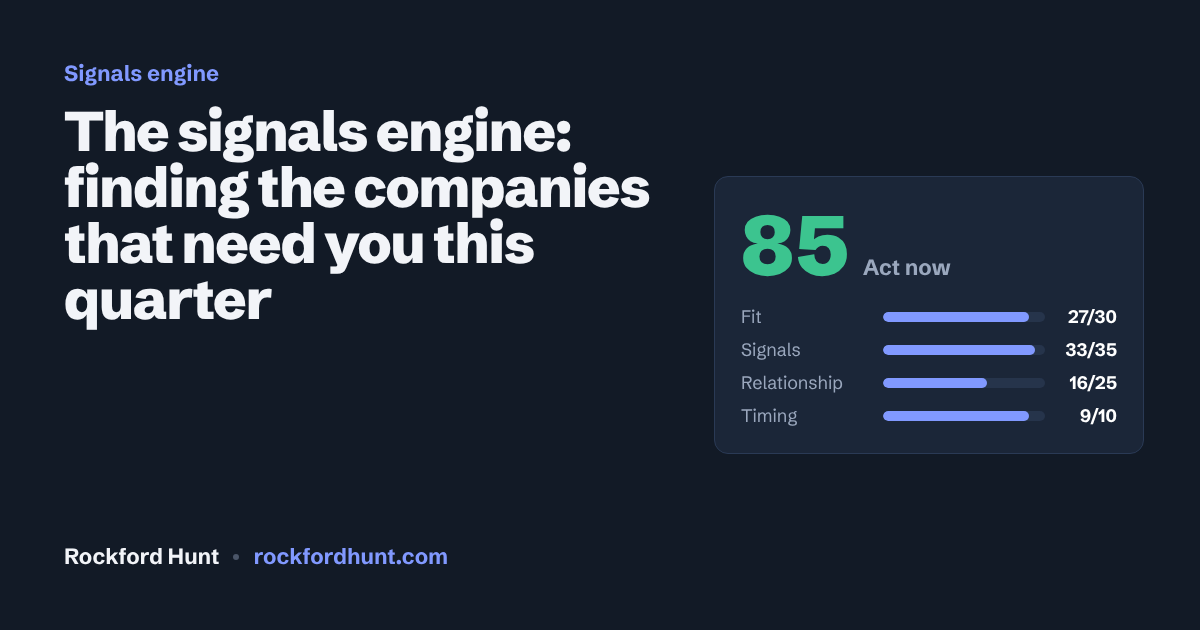
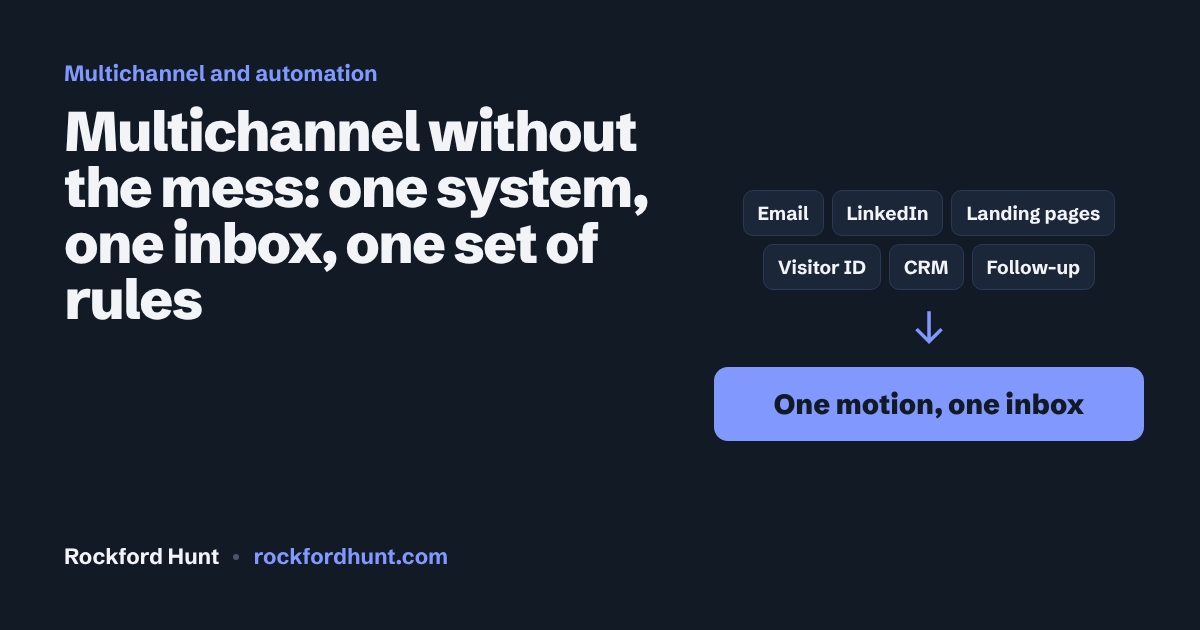
CORA researches, scores accounts on buying signals, drafts and routes. It does not get to email your best prospect on its own judgment. Anything that reaches a buyer stops for a person to approve, and every action is logged with the reasoning behind it. The same approval step sits inside every automated outreach flow.
That is not caution for its own sake. It is how you keep a system you can audit, and a brand you still own.
What building it taught me
A busy system is not a working system. At one point a set of our scheduled agents reported success thousands of times while producing nothing. The wrapper ran. The thinking did not. Now every health check asks one question: did real output come out the other end?
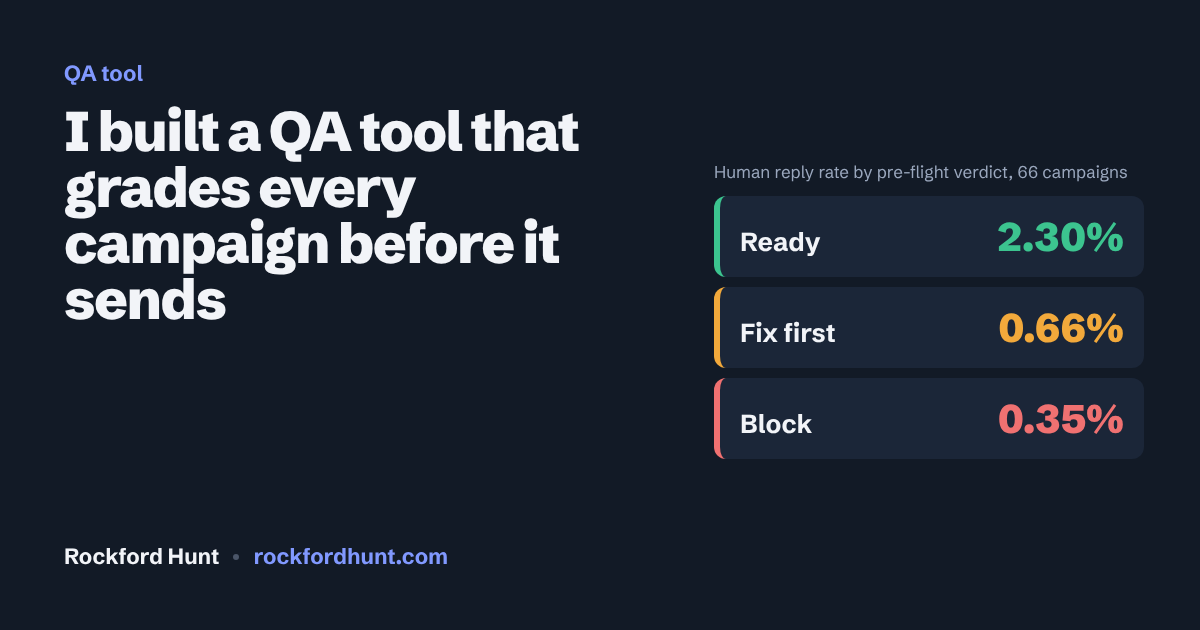
The second lesson is about honesty. When we measured our own outbound properly, some of our favorite numbers did not survive. The campaigns CORA generated early on did worse than the ones people wrote. We kept that result in the system and learned from it, which is part of why we now grade every campaign before it sends. A brain that only remembers its wins is not a brain. It is a highlight reel.
Why this matters for a revenue leader
I did not build CORA to replace a sales team. I built it so a sales team can stop arguing about what is true and start acting on it. Every account in one place. Every belief with a source. Every guess scored.
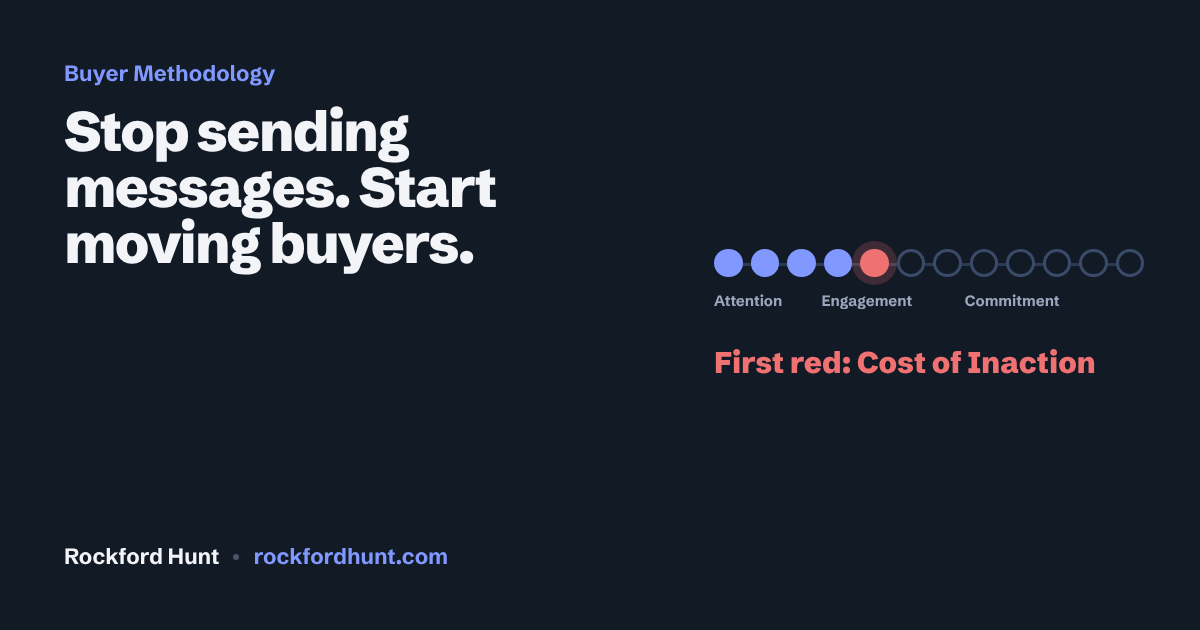
The method underneath all of it is the 12 mental drivers from my book, Buyer Methodology. CORA is how that method runs every day.
That is the operating layer I bring to any team I run. You can click through working versions of it in the AI lab on the home page.
Questions people ask
What is CORA?
CORA stands for Conscious Organizational Reasoning Architecture. It is the AI system Rockford Hunt built to run revenue operations at SalesDriver: it resolves people and companies into one graph, stores beliefs with sources and confidence, scores accounts, drafts outreach, and routes work for human approval.
How is CORA different from an AI sales tool?
Most AI sales tools generate output. CORA keeps score of itself. It writes a predicted reply rate before a campaign sends, then scores that prediction against real results, so trust is earned with a track record.
Does CORA send emails on its own?
No. CORA researches, scores, drafts and routes, but anything that reaches a buyer stops for a person to approve, and every action is logged with its reasoning.
I'm Rockford Hunt. I've spent 20+ years in B2B sales, I founded SalesDriver, and I'm open to CRO and VP of Sales roles.
Contact RockTry the AI labResume